Dark Matter… What’s the Matter?!?

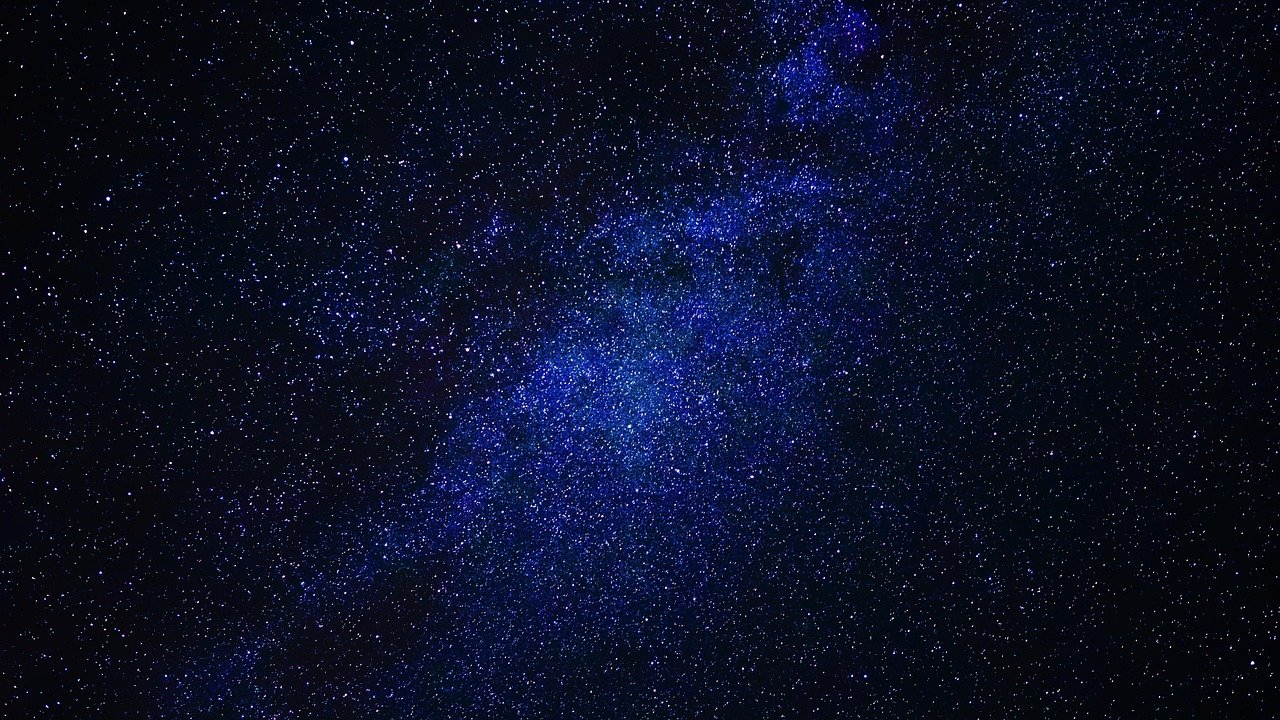
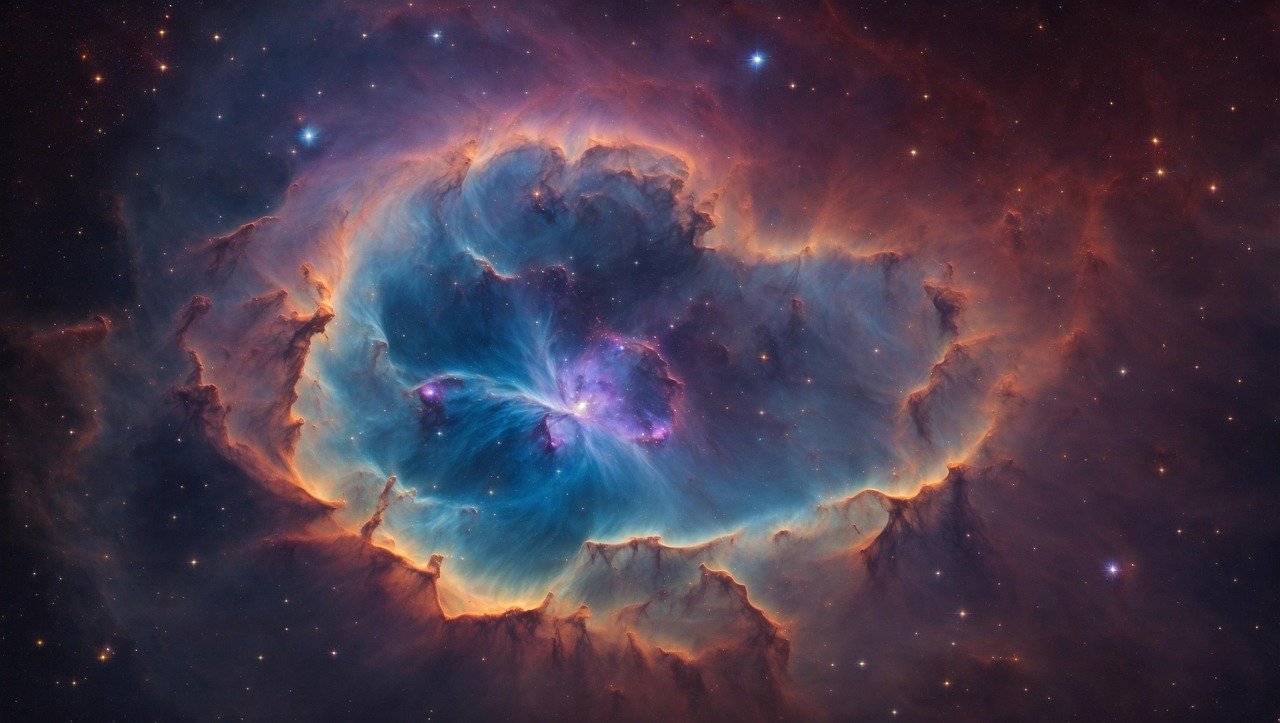
One of the most fascinating facts about the universe is that most of it remains completely invisible, and we still don’t fully understand what it is. Scientists estimate that everything we can observe—such as stars, planets, galaxies, and glowing gas—makes up less than 5% of the universe. The other 95% consists of two mysterious components: … Read more

Chickens… More Than Just Yummy!

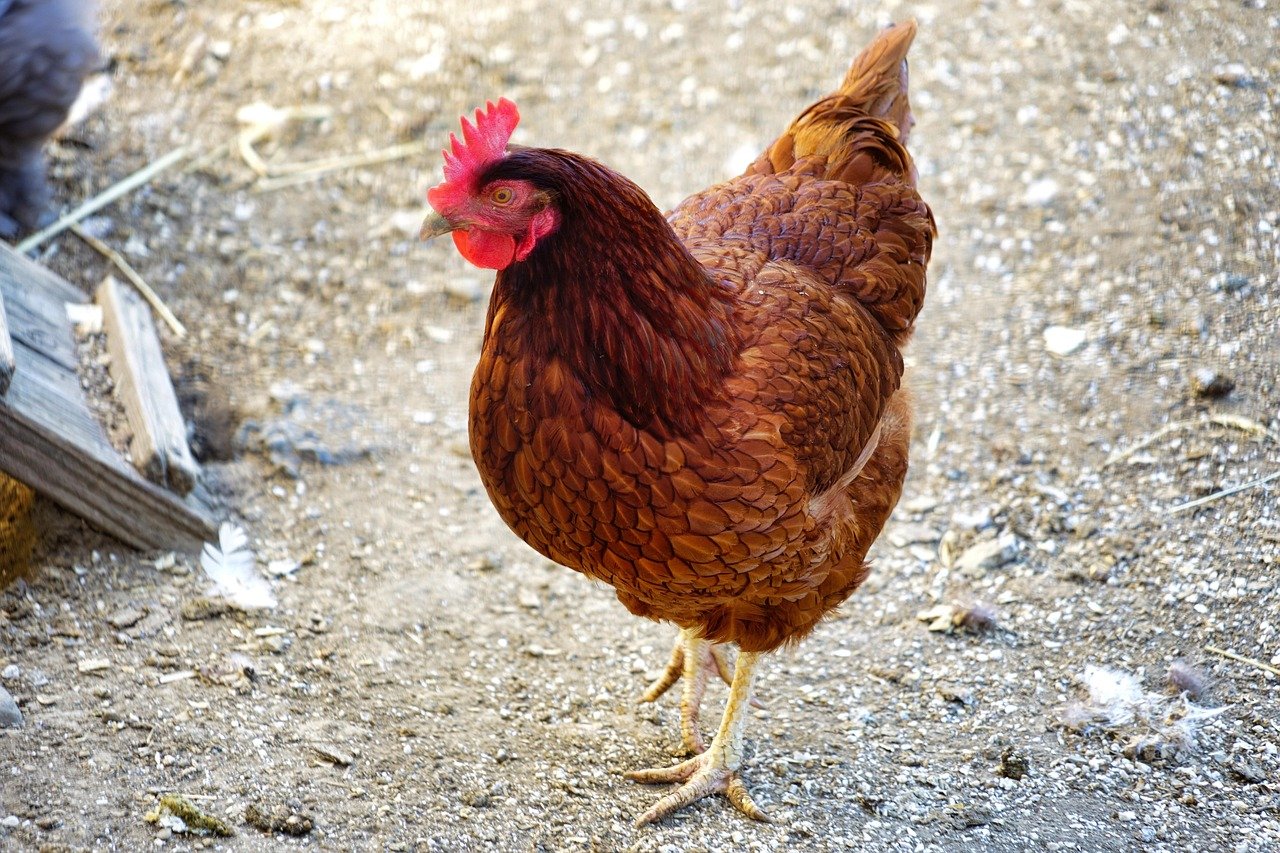
Chickens are far stranger than their everyday farmyard reputation suggests. Beneath the feathers lies a collection of bizarre traits that make them surprisingly fascinating. For starters, chickens have better color vision than humans. While people can see three primary colors, chickens can also detect ultraviolet light, allowing them to perceive details completely invisible to us. … Read more

Radioactive Bananas… 1.21 Gigawatts!?!

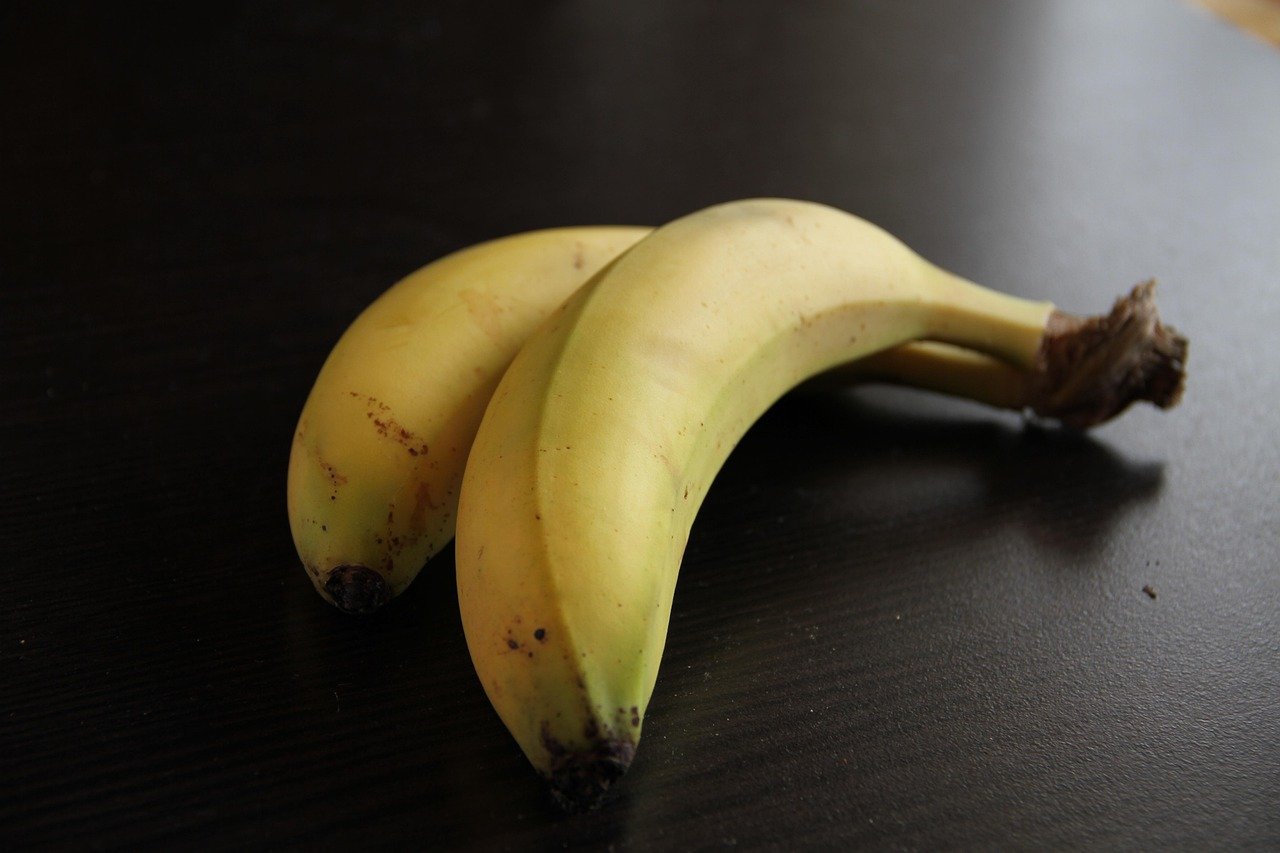
Bananas are radioactive—and yes, that means the fruit sitting on your kitchen counter is technically emitting radiation right now. This surprising fact comes from the presence of potassium in bananas. Potassium is an essential nutrient that helps your muscles contract and your nerves send signals. However, a tiny fraction of naturally occurring potassium is the … Read more

Peeling a Banana… Monkey See, Monkey Do!

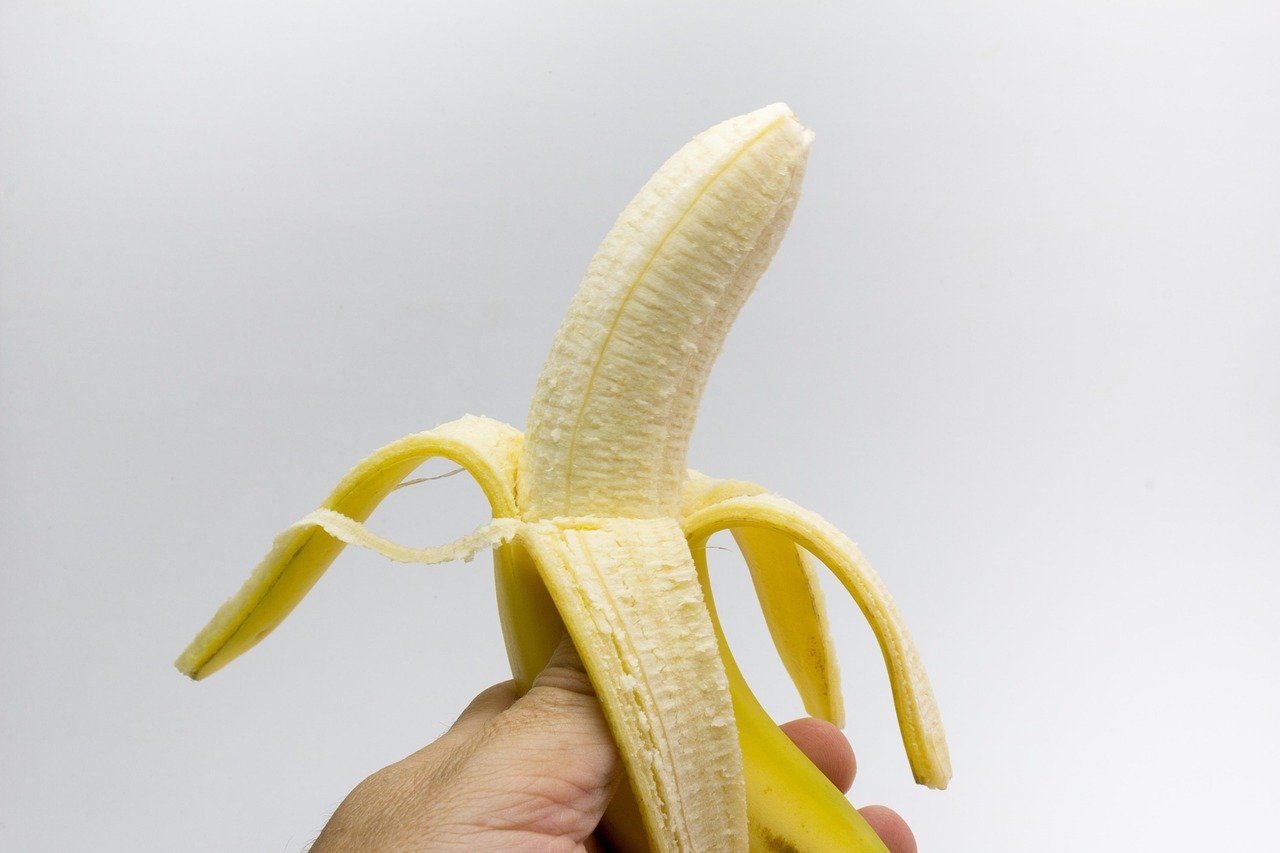
The “best” way—at least according to both practicality and how monkeys do it—is to peel a banana from the bottom, not the stem. Here’s how: 1. Flip the banana upside down. Hold it so the stem points downward and the small, darker tip is on top. 2. Pinch the tip. Gently squeeze the top (the … Read more

Space Alcohol… A Universal Kegger!

Here’s a space fact that sounds fake but isn’t: There are giant clouds of alcohol floating in space. One of the most famous is in the constellation Sagittarius—a massive molecular cloud called Sagittarius B2. It contains trillions of liters of ethanol (the kind of alcohol in drinks) spread across space. But it gets even stranger: … Read more

Wombats… Nature’s Bouillon Cube!

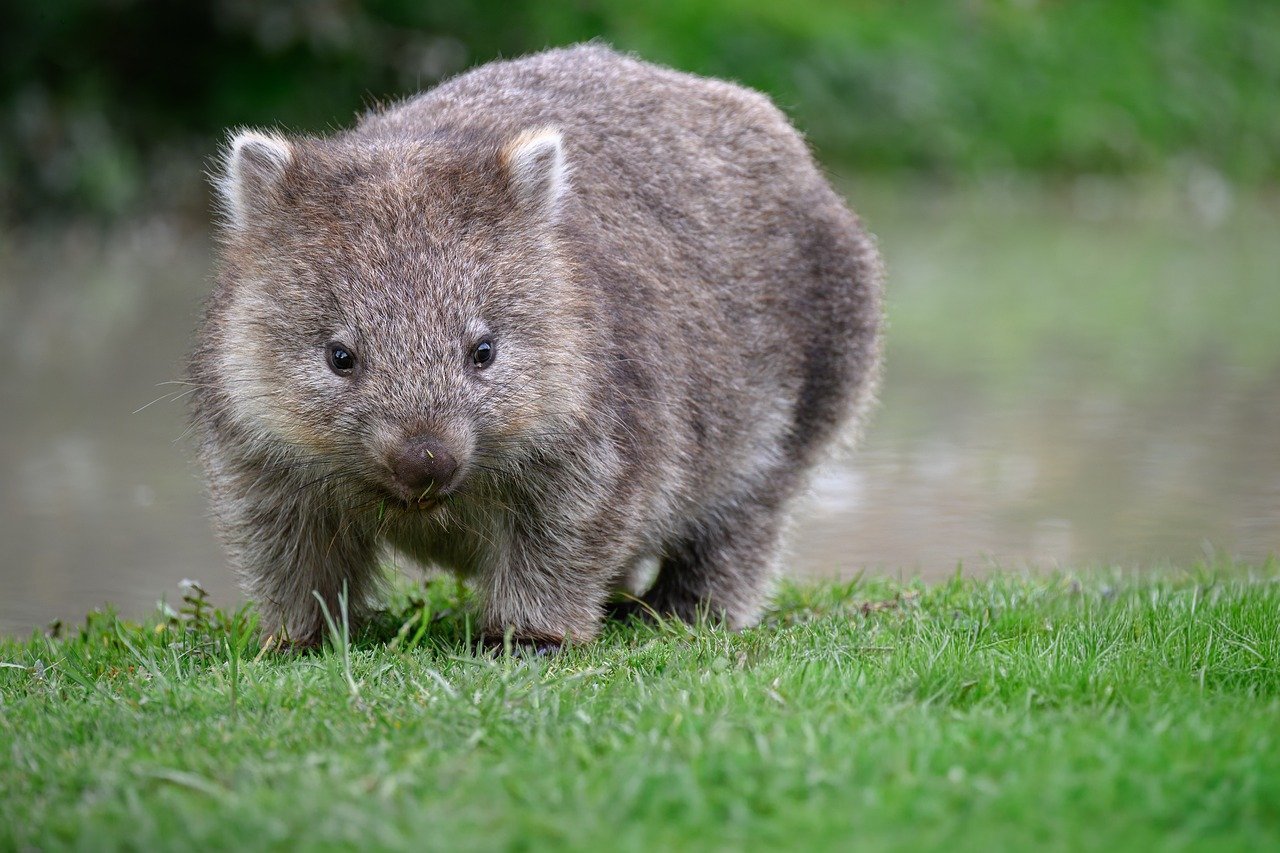
Wombats produce cube-shaped poop—and it’s not a joke or a myth, but a genuinely puzzling biological phenomenon that has fascinated scientists for years. The wombat, a burrowing marsupial native to Australia, is known for its sturdy body and slow, waddling walk. But its most unusual trait isn’t how it moves—it’s what it leaves behind. Unlike … Read more

Honey… Yes, Dear?

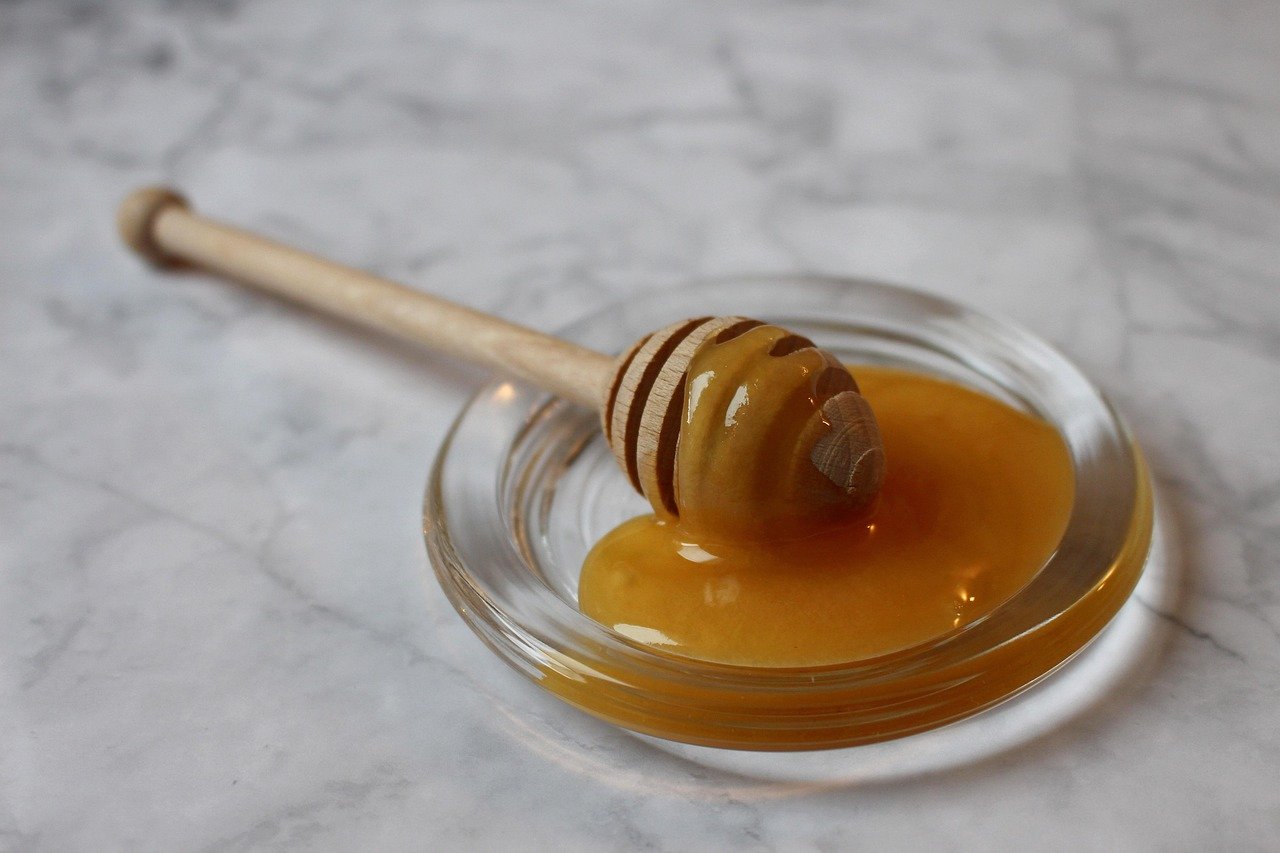
Honey never spoils—jars of it found in ancient tombs are still perfectly edible after thousands of years. This might sound like an exaggeration, but archaeologists have discovered pots of honey in the tombs of ancient civilizations that remain remarkably well preserved. One famous example comes from ancient Egypt, where sealed jars of honey were uncovered … Read more

Plucking Your Chicken… Sassy!

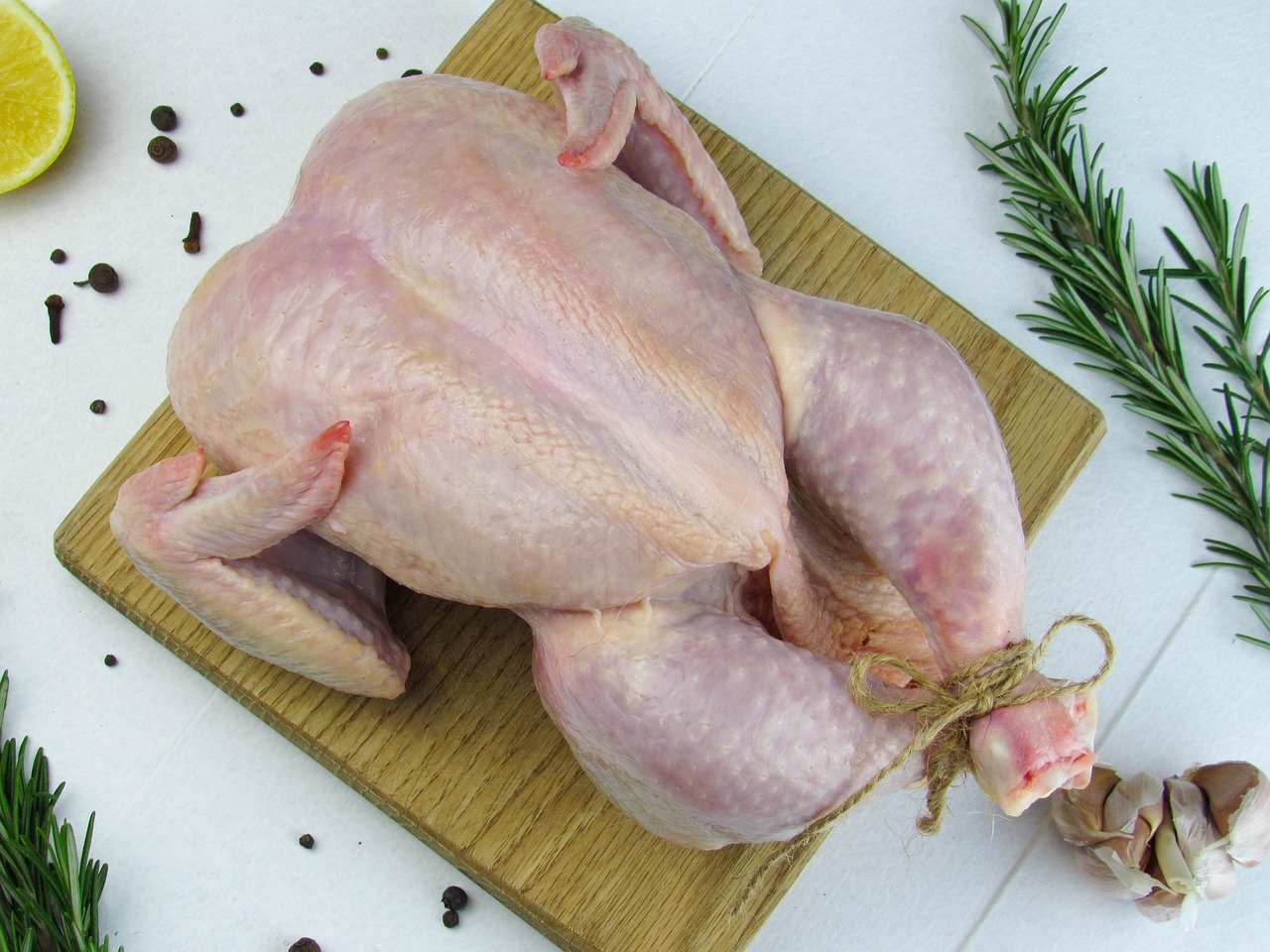
The most efficient way to pluck a chicken is to scald it first. Scalding loosens the feathers, making plucking faster, easier, and cleaner. Here’s a simple, effective method: 1. Prepare the hot water   Heat a pot of water to 145–150°F (63–66°C). It should be hot but not boiling—boiling water can damage or tear the … Read more

It’s Raining Glass… Hallelujah!

One of the strangest facts in the universe is that there is a planet where it rains glass—sideways. The exoplanet HD 189733b is a “hot Jupiter,” a gas giant about 64 light-years from Earth. At first glance, it might even seem beautiful. Scientists believe it appears deep blue, similar to Earth, because its atmosphere scatters … Read more

The Platypus… Oh, My!

One of the strangest mammals on Earth is the platypus, a creature so unusual that early scientists thought it was a hoax. Native to Australia, the platypus looks like a mashup of different animals: it has the bill of a duck, the tail of a beaver, and the feet of an otter. But its weirdness … Read more