
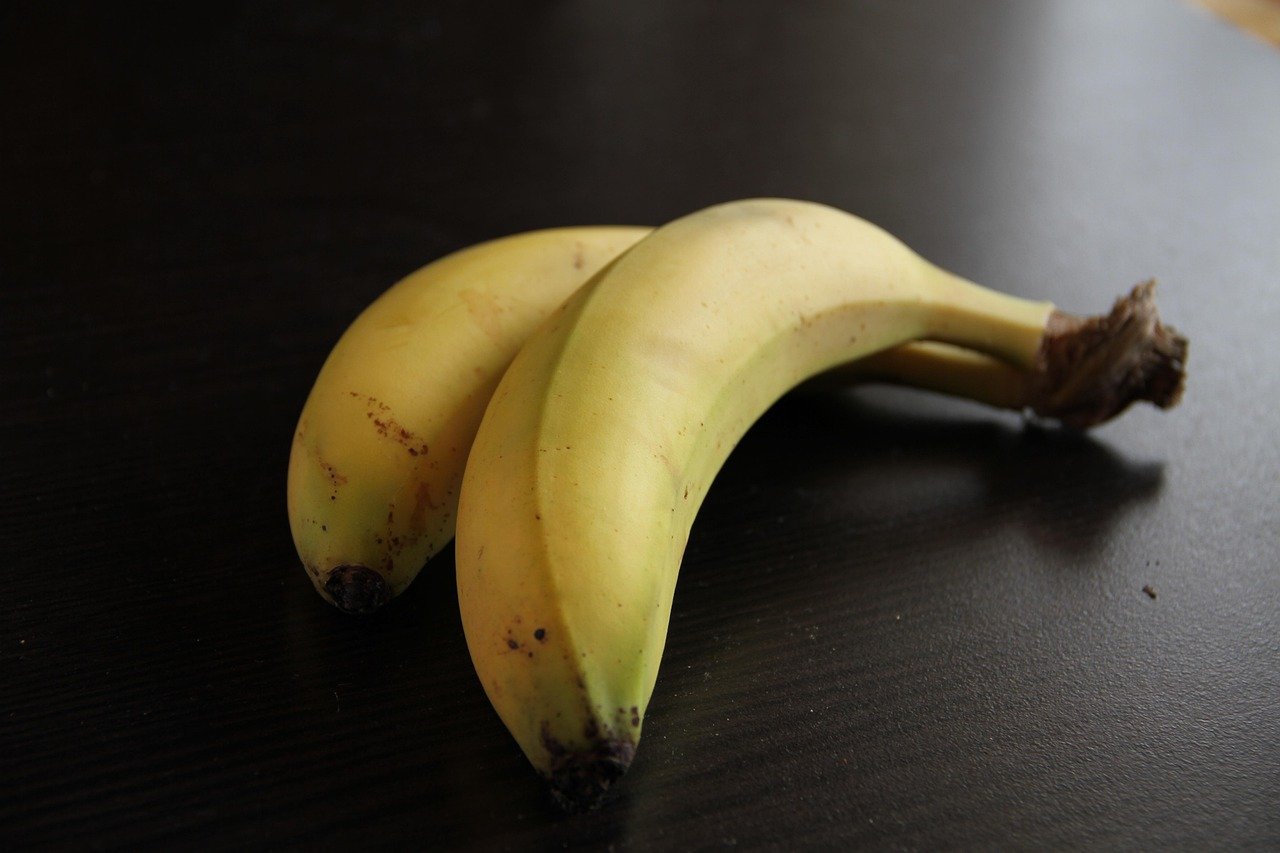
Bananas are radioactive—and yes, that means the fruit sitting on your kitchen counter is technically emitting radiation right now.
This surprising fact comes from the presence of potassium in bananas. Potassium is an essential nutrient that helps your muscles contract and your nerves send signals. However, a tiny fraction of naturally occurring potassium is the radioactive isotope potassium-40. Because bananas are relatively rich in potassium, they also contain trace amounts of this radioactive isotope.
Before you swear off bananas forever, it’s important to understand just how small this amount of radiation really is. The radiation from a single banana is so minimal that it has no measurable impact on your health. In fact, scientists sometimes use something called the “banana equivalent dose” as a humorous way to explain radiation levels. For example, eating one banana exposes you to about 0.1 microsieverts of radiation—a unit so tiny it’s practically negligible.
To put that into perspective, you’re exposed to far more radiation just by living your daily life. Natural background radiation from the Earth, cosmic rays from space, and even materials in your home contribute much more to your overall exposure than a banana ever could. You would need to eat millions of bananas in a short period for the radiation to become dangerous—and long before that, you’d run into far more immediate problems from overeating.
What makes this fact so fascinating is how it reframes our understanding of “radioactivity.” It’s easy to associate radiation with danger, but in reality, low levels of natural radiation are all around us and have always been part of life on Earth.
So the next time you grab a banana, remember: you’re not just having a snack—you’re holding a tiny, harmless example of nuclear physics in action.
To find out how monkeys have mastered the art of peeling a banana, check this out!