
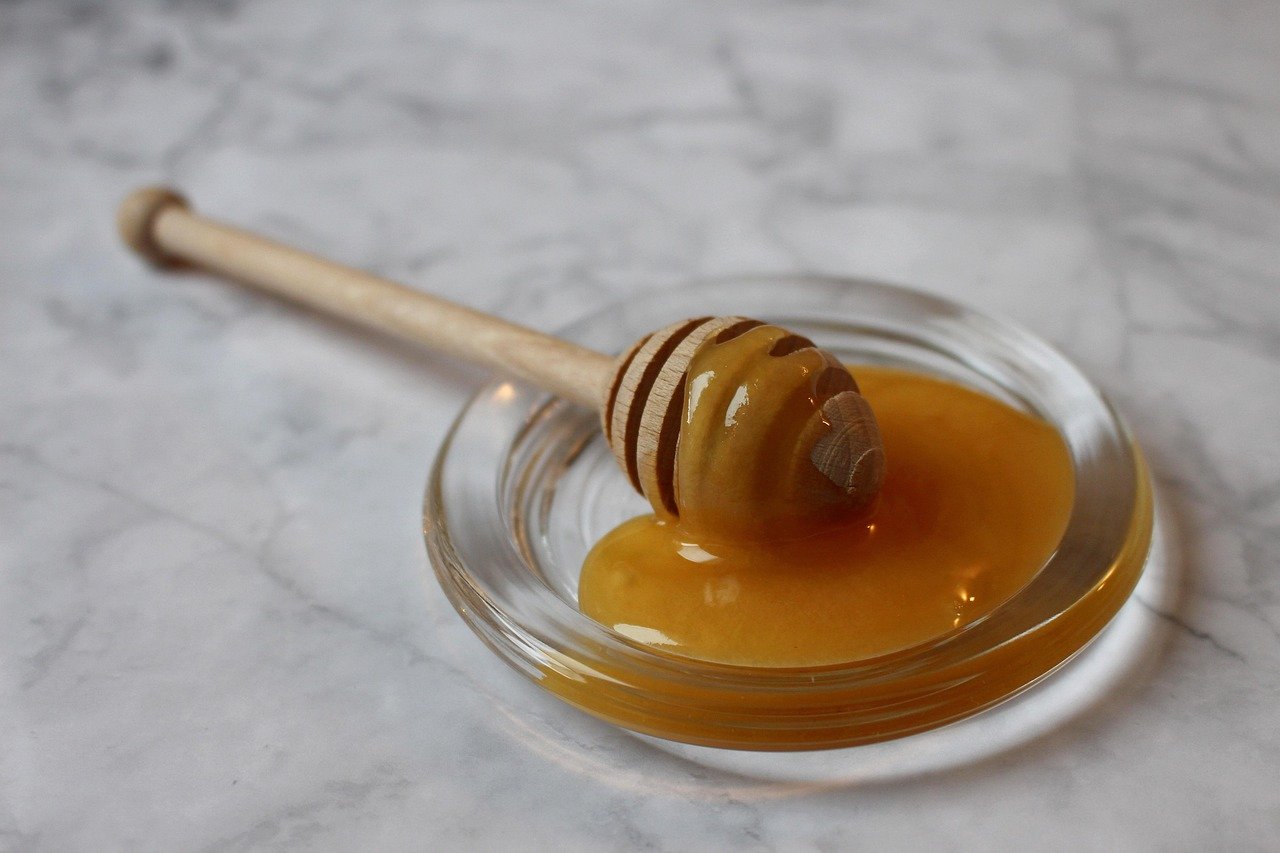
Honey never spoils—jars of it found in ancient tombs are still perfectly edible after thousands of years.
This might sound like an exaggeration, but archaeologists have discovered pots of honey in the tombs of ancient civilizations that remain remarkably well preserved. One famous example comes from ancient Egypt, where sealed jars of honey were uncovered in burial sites dating back more than 3,000 years. Despite their age, the contents had not rotted or developed harmful bacteria.
The secret behind honey’s longevity lies in its unique chemical composition. First, honey is extremely low in water. Most bacteria and microorganisms need moisture to grow, and without it, they can’t survive. Second, honey is highly acidic, with a pH that creates an inhospitable environment for microbes. These two factors alone make spoilage very unlikely.
But honey has another trick: it contains naturally occurring hydrogen peroxide. Bees produce an enzyme called glucose oxidase, which, when combined with the sugars in honey, slowly releases small amounts of hydrogen peroxide. This gives honey mild antibacterial properties, further protecting it from decay.
Additionally, the way honey is made plays a role. Bees process nectar by repeatedly consuming and regurgitating it, breaking down complex sugars and reducing its moisture content. They then store it in honeycombs and seal it with wax, creating an almost airtight environment. This natural packaging helps preserve the honey even further.
Of course, honey can crystallize or change texture over time, but that doesn’t mean it has gone bad. Gently warming it will restore its liquid form without affecting its safety.
In a world where most foods spoil within days or weeks, honey stands out as a rare exception—a natural substance that, under the right conditions, can last indefinitely.
If you’re intrigued by honey’s hidden secrets, explore this fruit’s mysterious qualities!